Grand Rapids Auto Accident Attorney
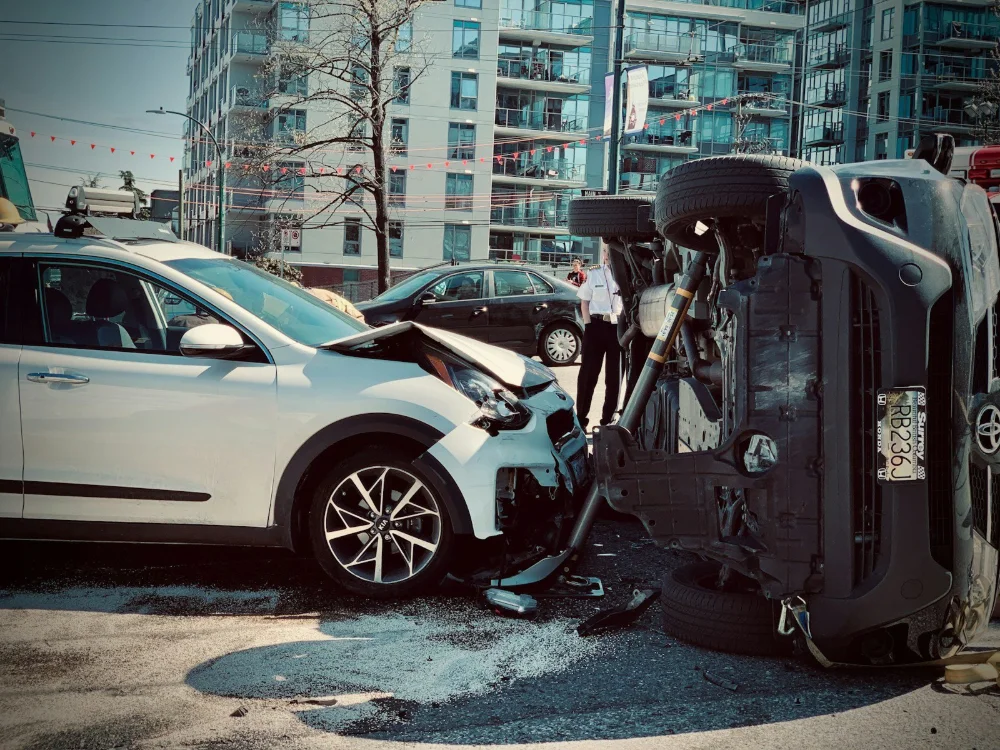
A serious automobile accident can produce several different claims. Medical expenses and lost wages may be covered through Michigan’s no-fault system. The injured person may also have a claim against the driver who caused the collision. If that driver has little or no insurance, uninsured or underinsured motorist coverage may provide another source of recovery.
These claims operate under different rules. They may involve different insurance companies, different types of compensation, and different deadlines. Identifying every available claim is an important part of protecting an injured person’s rights.
JKH Law represents people injured in car, truck, pedestrian, bicycle, and other motor-vehicle accidents throughout Michigan. Attorney Jonathon Homa works directly with clients to investigate collisions, address insurance disputes, and pursue the compensation available under Michigan law.
Three Claims May Arise From One Michigan Car Accident
A Michigan automobile accident commonly involves three distinct types of claims:
- A no-fault claim for Personal Injury Protection benefits
- A liability claim against the driver or other party responsible for the collision
- An uninsured or underinsured motorist claim under an applicable insurance policy
An injured person may have more than one of these claims. Receiving no-fault benefits does not necessarily prevent a separate claim against the negligent driver.
Michigan No-Fault Benefits
Personal Injury Protection benefits—usually called PIP benefits—cover certain economic losses resulting from an automobile accident without requiring the injured person to prove who caused the crash.
Depending on the circumstances and available coverage, PIP benefits may include:
The insurance company responsible for paying PIP benefits is not always the insurer of the vehicle involved in the accident. Priority may depend on the injured person’s own policy, coverage issued to a spouse or resident relative, the person’s role in the accident, and other statutory rules.
If no insurer is responsible under the ordinary priority system, an application through the Michigan Assigned Claims Plan may be necessary.
Michigan drivers can also carry different levels of PIP medical coverage. The policy declarations and applicable priority rules must be reviewed before assuming which company should pay or how much coverage is available.
A separate JKH Law guide to Michigan no-fault insurance explains PIP coverage, benefits, priority, Assigned Claims Plan applications, benefit denials, and filing deadlines in greater detail.
Claims Against the At-Fault Driver
Michigan’s no-fault system does not eliminate every claim against a negligent driver.
An injured person may pursue noneconomic damages when an automobile accident causes:
A serious impairment of body function is an objectively manifested impairment of an important body function that affects the injured person’s general ability to lead a normal life.
This is an individual analysis. The question is not whether the injury appears serious when compared with someone else’s injury. The proper comparison examines the person’s own life before and after the accident.
A liability claim may include compensation for:
Medical records establish the nature of the injury, but they rarely tell the complete story. Evidence concerning work, family responsibilities, mobility, sleep, recreation, and ordinary daily activities may be equally important.
Proving Who Caused the Accident
A liability claim requires evidence that another person or entity caused or contributed to the collision.
Relevant evidence may include:
Evidence can disappear quickly. Vehicles are repaired or destroyed, video is overwritten, and witnesses become more difficult to locate. Early investigation is particularly important when fault is disputed or the collision caused severe injuries.
What If More Than One Driver Was at Fault?
Michigan uses a comparative-fault system. When an injured person shares responsibility for an accident, the person’s damages may be reduced according to the percentage of fault assigned.
If the injured person is found more than 50 percent at fault, Michigan law generally prevents recovery of noneconomic damages. Different treatment may apply to recoverable economic losses.
An insurance company may assign fault before obtaining all the evidence. That initial determination is not binding. A police report is important, but the officer’s opinion does not necessarily decide liability in a civil case.
Uninsured and Underinsured Motorist Claims
Uninsured motorist coverage may apply when the responsible driver has no liability insurance. Depending on the policy, it may also apply to certain hit-and-run accidents.
Underinsured motorist coverage may apply when the negligent driver has liability insurance, but the available limits are insufficient to compensate the injured person fully.
UM and UIM benefits are governed primarily by the insurance contract. The policy controls the available coverage, exclusions, limits, notice requirements, consent-to-settle provisions, and claim deadlines.
Some policies require notice within a relatively short time after the accident. An injured person should not wait until the liability claim is complete before determining whether UM or UIM coverage may apply.
Accidents Involving Uninsured Vehicle Owners
Michigan law can impose serious consequences when the owner or registrant of a vehicle involved in the accident failed to maintain the insurance required by law.
An uninsured owner may be disqualified from receiving PIP benefits and may also lose the right to recover noneconomic damages from the negligent driver. Additional financial and legal consequences may follow.
These questions are not always resolved simply by looking at the name on the vehicle title. Ownership, registration, household policies, policy exclusions, and the vehicle’s use should be examined before concluding that an injured person is disqualified.
What to Do After a Car Accident in Grand Rapids
Seek appropriate medical care when an accident causes pain, restricted movement, dizziness, confusion, numbness, or other symptoms. Some injuries become more apparent during the hours or days following a collision.
When possible:
Use caution before providing a recorded statement. Determine which insurer is requesting it, which claim is involved, and whether the policy requires your cooperation.
Be equally careful when discussing the accident publicly. Social-media photographs and comments can be removed from their original context and used to challenge an injury claim.
Important Michigan Automobile-Accident Deadlines
Different deadlines may apply to different claims arising from the same collision.
A PIP claim generally requires written notice of the injury within one year after the accident. Michigan law also limits recovery of older unpaid benefits, although statutory tolling may apply during part of the claim process.
A negligence claim against an at-fault driver is generally subject to a three-year limitations period. Other rules may apply to claims involving minors, governmental agencies, defective roads, unidentified drivers, or specialized defendants.
UM and UIM policies may contain contractual notice provisions or filing deadlines that differ from the ordinary statutory periods.
Do not assume that negotiations with an insurance adjuster suspend every deadline. An open claim file does not necessarily preserve the right to file a lawsuit.
When an Insurance Company Delays or Denies the Claim
An insurer may question whether an injury was caused by the accident, dispute the amount of lost income, deny priority, invoke a policy exclusion, or maintain that the claimant has not supplied sufficient proof.
A dispute does not automatically mean the insurer has acted improperly. Its position should still be evaluated against the policy language, the available evidence, and Michigan law.
If benefits or coverage are denied:
A denial letter states the insurer’s position. It does not necessarily provide the final legal answer.
What Compensation Is Available?
The compensation available depends on the claims, injuries, insurance coverage, and evidence involved.
Potential recovery may include:
No reliable case value can be determined from a diagnosis alone. Liability, insurance limits, prior medical history, treatment, future prognosis, lost income, and the effect of the injuries on the person’s life must all be considered.
How JKH Law Handles Michigan Auto-Accident Claims
Every case begins with identifying the claims and insurance coverage that may apply.
JKH Law can assist by:
Clients work directly with attorney Jonathon Homa. The objective is to provide a clear understanding of the case, the available options, and what to expect at each stage.
Frequently Asked Questions
Can I recover benefits if I caused the accident?
PIP benefits are generally payable without regard to fault, subject to coverage, priority, and statutory disqualifications. A liability claim against another driver depends on whether that person caused or contributed to the accident.
Who pays my medical bills?
The answer depends on the applicable PIP coverage, insurance priority, health-insurance coordination, and the coverage selected under the relevant policy. The insurer of the vehicle you occupied is not automatically responsible.
Do I have a claim if the police report blames me?
Possibly. A police report is evidence, but it does not finally determine civil liability. Photographs, video, witness statements, vehicle damage, and other evidence may support a different allocation of fault.
Should I speak with the other driver’s insurer?
Use caution before giving a recorded statement or signing an authorization. The other driver’s insurer represents its policyholder’s interests, not yours.
How much is my case worth?
Case value depends on fault, available insurance, the nature and duration of the injuries, medical expenses, lost income, permanent limitations, and the effect of the accident on the person’s life. A meaningful evaluation requires the facts and records of the individual case.
Do I need an attorney after a minor collision?
Not every accident requires legal representation. Legal advice becomes more important when injuries persist, fault is disputed, an insurer denies benefits, several insurance companies are involved, or a release has been presented.
Speak With a Grand Rapids Auto Accident Attorney
If you or a family member was injured in a Michigan automobile accident, JKH Law can review the available insurance coverage, explain the claims that may apply, and help protect important deadlines.
JKH Law represents injured people throughout Michigan, including Grand Rapids and communities across West Michigan.
Call (616) 226-3762 or contact JKH Law to request a free consultation. There is no attorney fee unless there is a recovery.
This page provides general information about Michigan law and does not constitute legal advice. Every automobile accident and insurance policy presents different facts, coverages, and deadlines.
JKH Law, PLC
312 Fulton Street East
Grand Rapids, MI 49503
(616) 226-3762 (office)
(616) 988-6504 (fax)
Personal Injury Practice