When a Loved One Suffers Injuries or Death in a Single-Vehicle Crash in Michigan: Are PIP Benefits Still Available?
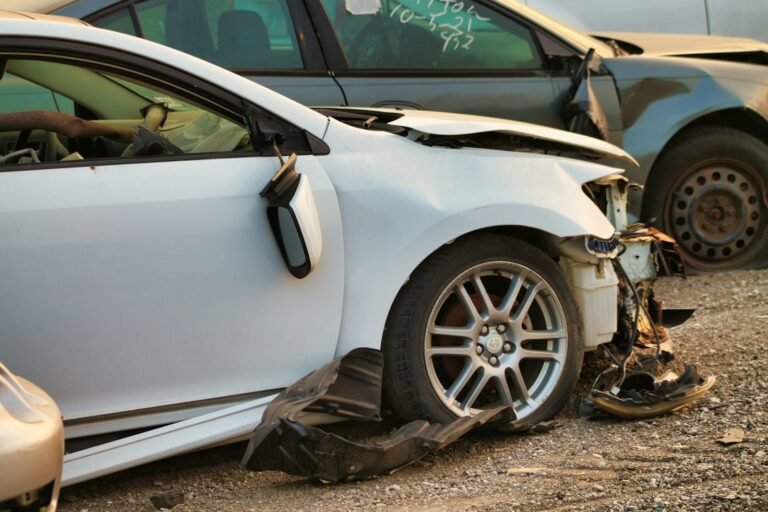
Single-vehicle crashes are some of the most misunderstood incidents under Michigan law. When someone is seriously injured—or tragically killed—in a crash involving only one car, families often assume that insurance will refuse to pay because “no one else was involved” or “the driver caused it.”
That assumption is wrong.
Under Michigan’s no-fault system, Personal Injury Protection (PIP) benefits are usually available even in single-vehicle crashes, and that includes both non-fatal injuries and fatal crashes resulting in survivors’ loss benefits.
Unless a legal disqualification applies, the law provides substantial benefits that can help injured people recover and help families maintain financial stability after the loss of a loved one.
PIP Benefits Apply Even If the Crash Was a Single-Vehicle Incident
Michigan’s no-fault insurance system is designed so that your own auto insurance pays medical expenses and wage-loss benefits regardless of fault. This includes all types of single-vehicle events:
- Hitting a tree, barrier, or guardrail
- Vehicle rollovers
- Crashes caused by snow, ice, or black ice
- Crashes triggered by animal crossings
- Losing control or running off the roadway
- Crashes caused by a medical emergency, fainting, or loss of consciousness
In other words, even if the driver made a mistake, even if no one else was involved, and even if the crash was clearly “their fault,” they are almost always still entitled to PIP benefits.
To learn more about how no-fault works generally, you can visit:
Auto Accidents
Non-Fatal Injuries: What PIP Covers After a Single-Vehicle Crash
When someone survives a single-vehicle collision—sometimes with life-altering injuries—Michigan PIP benefits cover critical needs, including:
Unlimited or elected medical coverage (depends on the policy)
Covers hospital care, surgery, rehabilitation, specialists, medications, and long-term treatment.
Attendant care
For help with activities of daily living (bathing, dressing, meals, mobility support).
Medical mileage
Reimbursement for travel to medical appointments.
Wage loss (up to 3 years)
If injuries prevent the person from working temporarily or permanently.
Replacement services
Assistance with tasks like cleaning, cooking, laundry, and errands.
These benefits are paid even if the injured person was at fault—a central feature of Michigan’s no-fault system.
When a Single-Vehicle Crash Is Fatal: Survivors’ Loss Benefits
When a loved one dies in a single-vehicle crash, the family may be entitled to survivors’ loss benefits, which provide financial support for dependents. These benefits can include:
- The deceased person’s income that supported the household
- Loss of employment-based fringe benefits
- Replacement services
- Funeral and burial expenses
These benefits are payable for up to three years following the crash.
Importantly, families are still entitled to survivors’ loss benefits even if the deceased driver caused the crash, unless a specific statutory disqualification applies.
General Disqualifications: When PIP Is Not Available
Michigan no-fault PIP applies broadly, but there are some exceptions. A person may be disqualified from receiving PIP benefits if they were:
1. Operating an uninsured vehicle they were required to insure
If a driver owns or registers a vehicle but failed to insure it as required by law, they cannot claim PIP for injuries sustained while driving that vehicle.
2. Knowingly using a stolen vehicle
PIP does not apply if the claimant knew the vehicle was stolen.
3. Intentionally causing the injuries
Injuries intentionally caused by the individual (e.g., deliberate self-harm) do not qualify.
4. Motorcycles (different set of priority rules)
Motorcycles are not considered a “motor vehicle” under the defintion contained in Michigan’s no-fault alws. Therefore, motorcycle riders follow different insurance priorities, but PIP may still be available depending on the involved vehicles.
Fault is not a disqualifier.
Speeding, distracted driving, inexperience, or simple driver error does not eliminate PIP coverage.
Why People Should Not Assume They’re Disqualified
Many people mistakenly believe that they cannot receive benefits because:
- They “caused” the crash
- No other driver was involved
- They slid on ice
- They lost control of the vehicle
- They feel guilty or embarrassed
- The crash happened late at night or in poor weather
But Michigan law does not deny PIP based on fault.
Most of these assumptions are incorrect, and families often lose compensation because they never file a claim or they rely on misinformation from insurers.
If you’re unsure whether a disqualification applies, an attorney can evaluate it immediately.
How JKH Law Helps After Single-Vehicle Crashes
Single-vehicle crashes—whether fatal or non-fatal—can be legally complex. Insurance companies often deny or limit benefits even when the law is clear.
Jonathon Homa helps clients by:
- Determining eligibility under Michigan’s no-fault priority rules
- Filing and managing PIP claims
- Documenting medical needs, replacement services, and wage loss
- Calculating full survivors’ loss benefits for dependent families
- Challenging wrongful denials
- Identifying additional claims (UM/UIM, vehicle-defect, roadway liability)
- Protecting clients from adjuster pressure, misstatements, and bad-faith tactics
Families and injured individuals deserve clear guidance—not confusion—after a crash.
If You Were Injured or Lost Someone in a Single-Vehicle Crash, JKH Law Can Help
A single-vehicle crash does not mean you’re on your own.
Michigan no-fault law provides PIP benefits for injured drivers and survivors’ loss benefits for families—even when the crash is the driver’s fault.
Learn more here:
For compassionate guidance and a clear explanation of your rights, contact JKH Law.